
California Zone Zero Law: AB 3074 Defensible Space & Fire Mitigation Guide
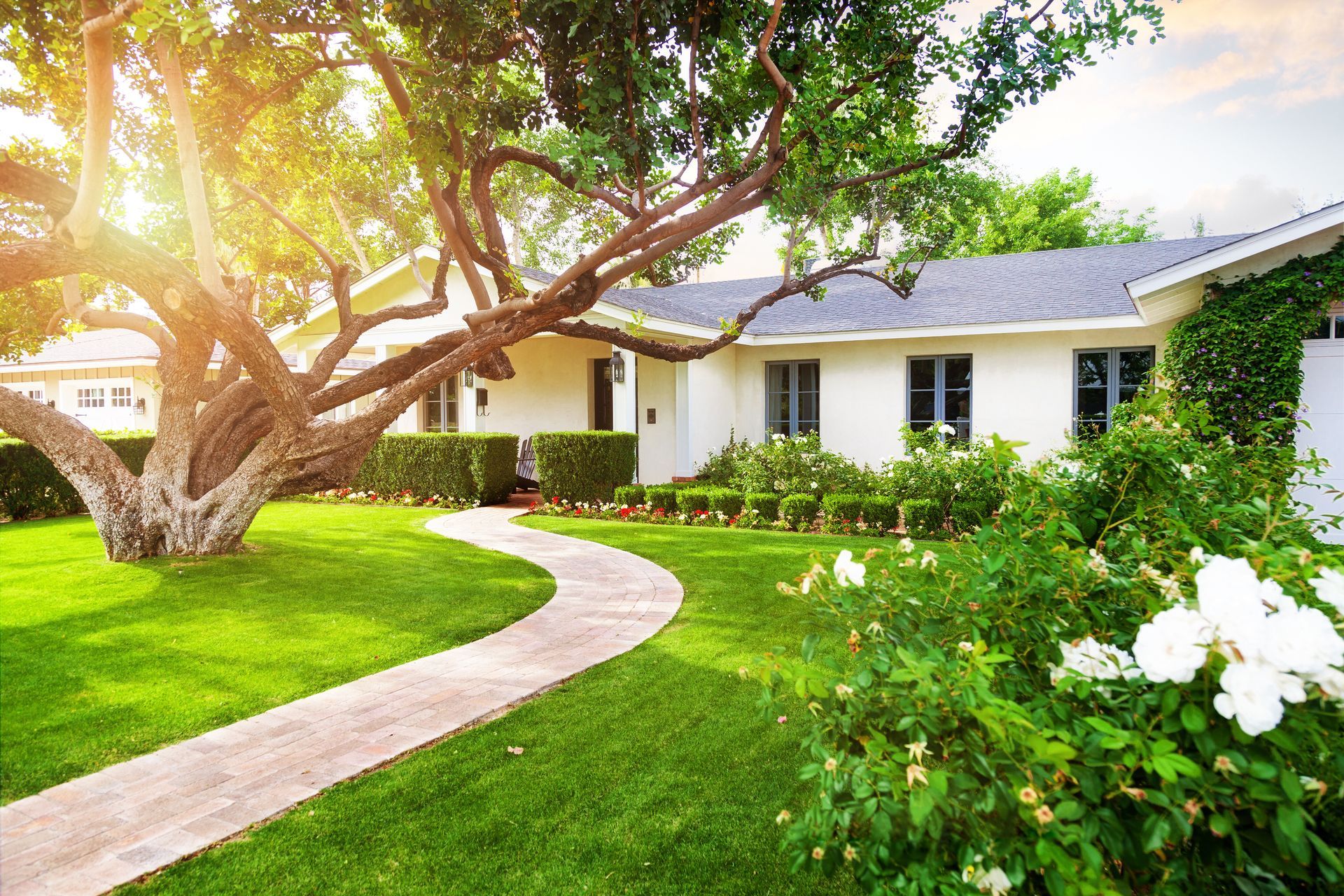
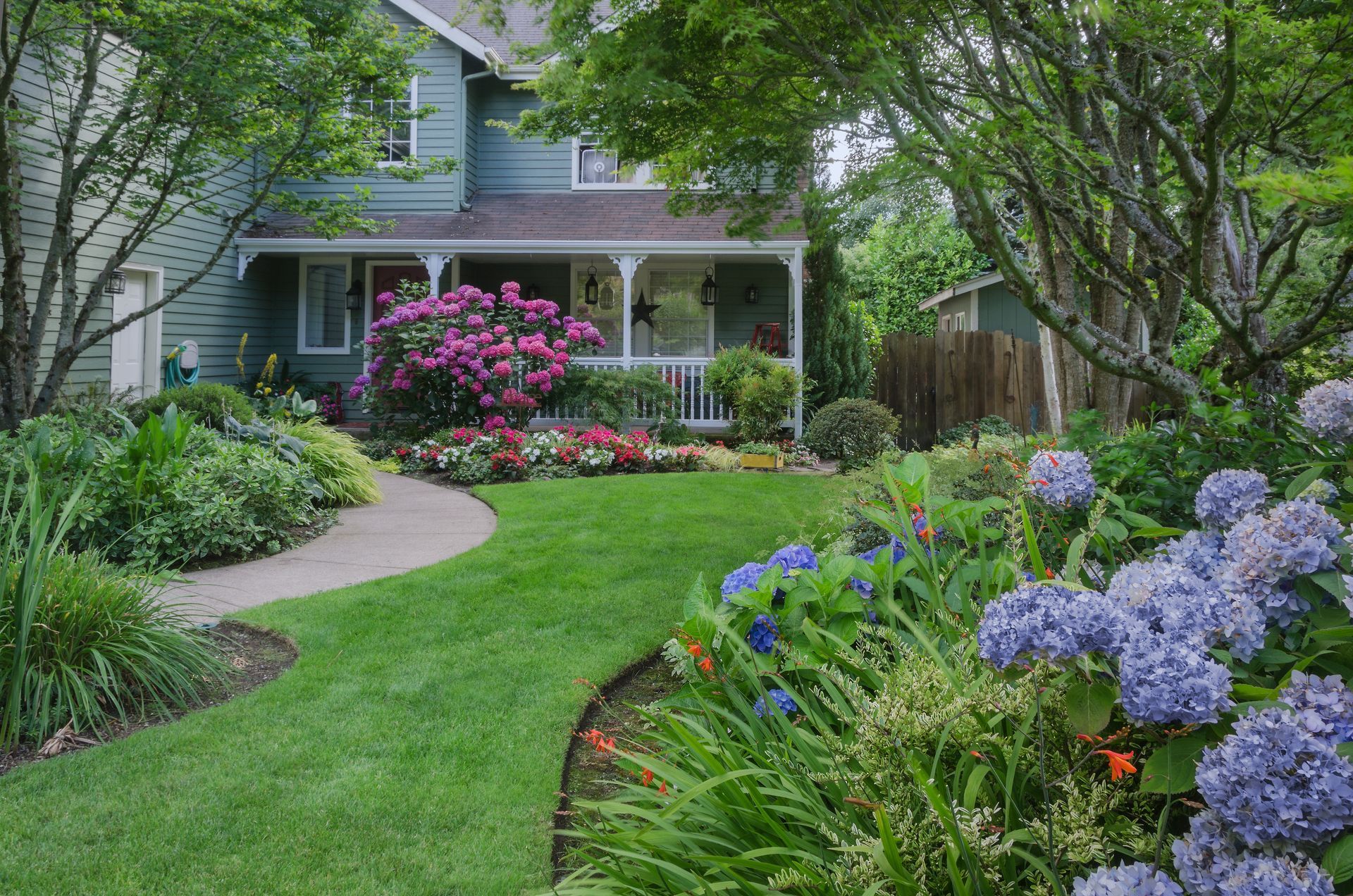
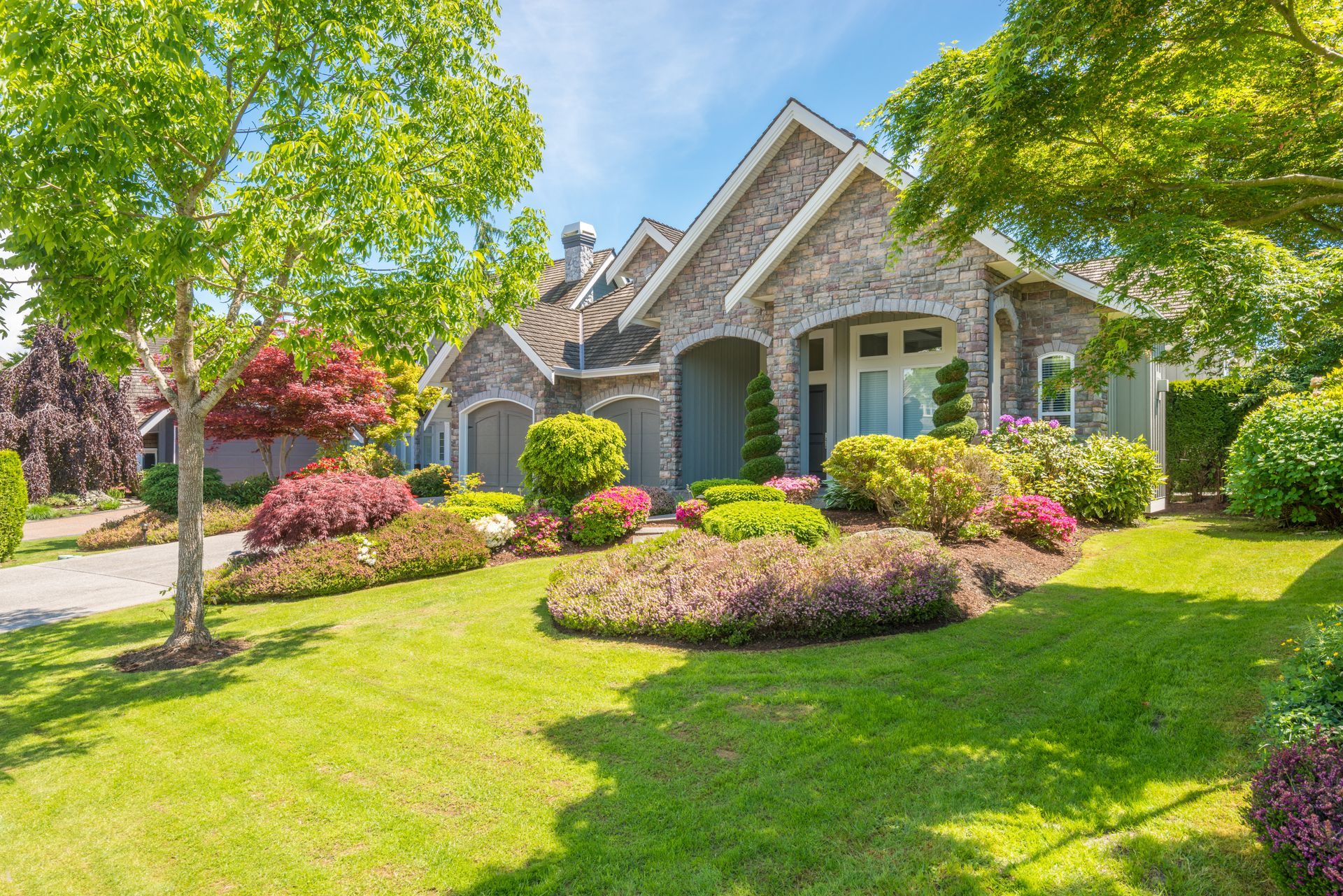
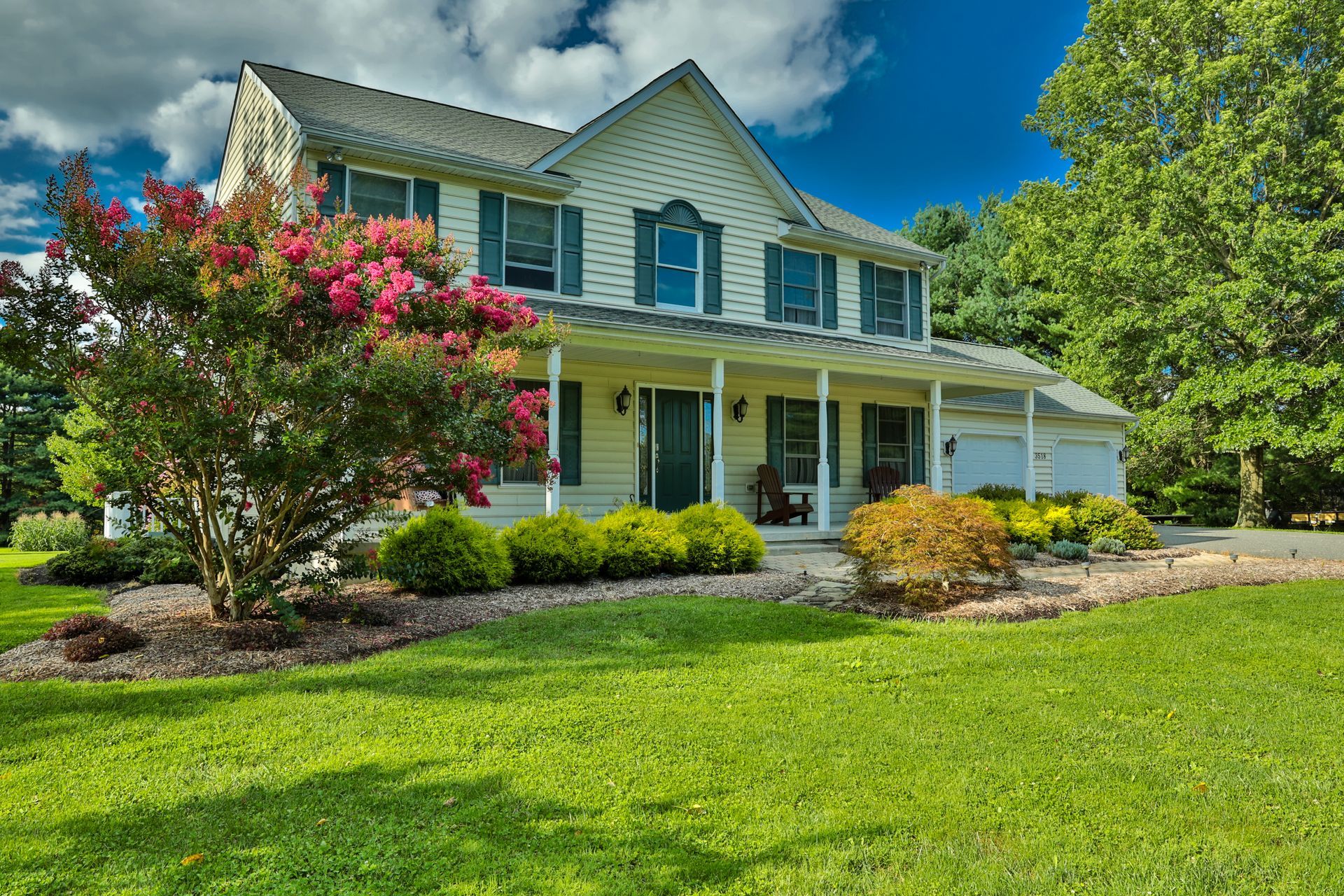
Understanding California's Zone Zero (Zone 0) law (Assembly Bill 3074) is essential for protecting your home from wildfires, maintaining compliance with CAL FIRE standards, and qualifying for homeowners insurance discounts.
What is California's Zone Zero Law (AB 3074)?
Zone Zero is a mandatory 0-to-5-foot ember-resistant zone surrounding all buildings in High and Very High Fire Hazard Severity Zones (VHFHSZ). Established under Assembly Bill 3074, Zone 0 targets the primary cause of structural ignitions during a wildfire: airborne embers landing on combustible materials adjacent to exterior walls, decks, and rooflines.
Key Requirements for Zone 0 Compliance (0 to 5 Feet)
Hardscaping & Non-Combustible Ground Cover
- Remove Flammable Mulch: Wood chips, bark, dry leaves, and pine needles must be removed from the 0-to-5-foot perimeter. Replace them with non-combustible materials such as gravel, crushed stone, river rock, or pavers.
- Non-Combustible Safety Buffer: Maintain a vegetation-free or low-combustibility ground surface directly adjacent to foundations and under eaves.
Vegetation Management & Tree Canopy Clearance
- Remove High-Risk Plants: Resinous or highly flammable vegetation touching exterior walls, windows, or vents must be cleared.
- Prune Tree Canopies: Maintain at least 10 feet of clearance between live branches and stovepipes or chimney outlets. Ensure branches remain clear of eaves and at least 5 feet above roof surfaces.
- Clear Ladder Fuels: Prune lower branches on mature trees to a height of 6 feet (or the lower one-third of smaller trees) so surface fires cannot climb into the canopy. Existing healthy mature trees can remain as long as they are properly maintained.
Attached Structures, Fences, & Storage
- Non-Combustible Fence Connections: Combustible wood fences or gates attached to a structure within Zone 0 require a 5-foot non-combustible transition zone (metal, wrought iron, or composite) to prevent flame transfer directly to the house.
- Deck and Under-Eave Storage: Firewood, lumber, cardboard, and other combustible storage must be removed from Zone 0 and cleared from underneath decks, balconies, and stairs.
New Construction & California’s Zone 0 Requirements
For new construction in designated fire hazard areas, California’s Zone 0 requirements make fire-conscious landscaping and vegetation management important considerations. Tree trimming, removing dead branches, and clearing leaves and other combustible debris can help reduce fire hazards around structures.
Equally important is protecting existing trees throughout construction. Professional tree care helps prevent damage to roots, trunks, and canopies from excavation, equipment, and soil compaction while preserving valuable trees and supporting long-term landscape health.
Insurance Discounts & "Safer from Wildfires" Compliance
Under the California Department of Insurance (CDI) "Safer from Wildfires" framework, insurance carriers offering home insurance policies in California are required to offer premium discounts to policyholders who demonstrate certified wildfire risk reduction.
How to Qualify:
- Maintain documented 0-to-5-foot ember-resistant defensible space.
- Clear deadwood, ladder fuels, and canopy overhangs around rooflines.
- Upgrade to ember-resistant 1/8-inch metal vent screens and Class A fire-rated roofing.
- Provide itemized contractor invoices and time-stamped before-and-after photos to your insurance agent during annual policy renewals.
Frequently Asked Questions (FAQ)
Are all plants banned within 5 feet of my house under Zone 0?
No. Well-maintained, non-woody, high-moisture plants (such as low-growing succulents, turfgrass under 3 inches, or potted plants in non-combustible containers) are permitted outside of immediate non-combustible buffer strips.
Does Zone 0 require removing all mature trees within 5 feet of my structure?
No. Existing healthy trees may remain if deadwood is removed, branches maintain 5-foot clearance over roofs, branches are kept 10 feet from chimneys, and ladder fuels are cleared.
How do I prove Zone 0 compliance to my insurance carrier?
Schedule an assessment with a certified arborist or local fire protection district inspector. Submit the completed inspection report along with before-and-after photos showing non-combustible ground cover and canopy pruning.